Finding low-cost solutions to hazardous heat
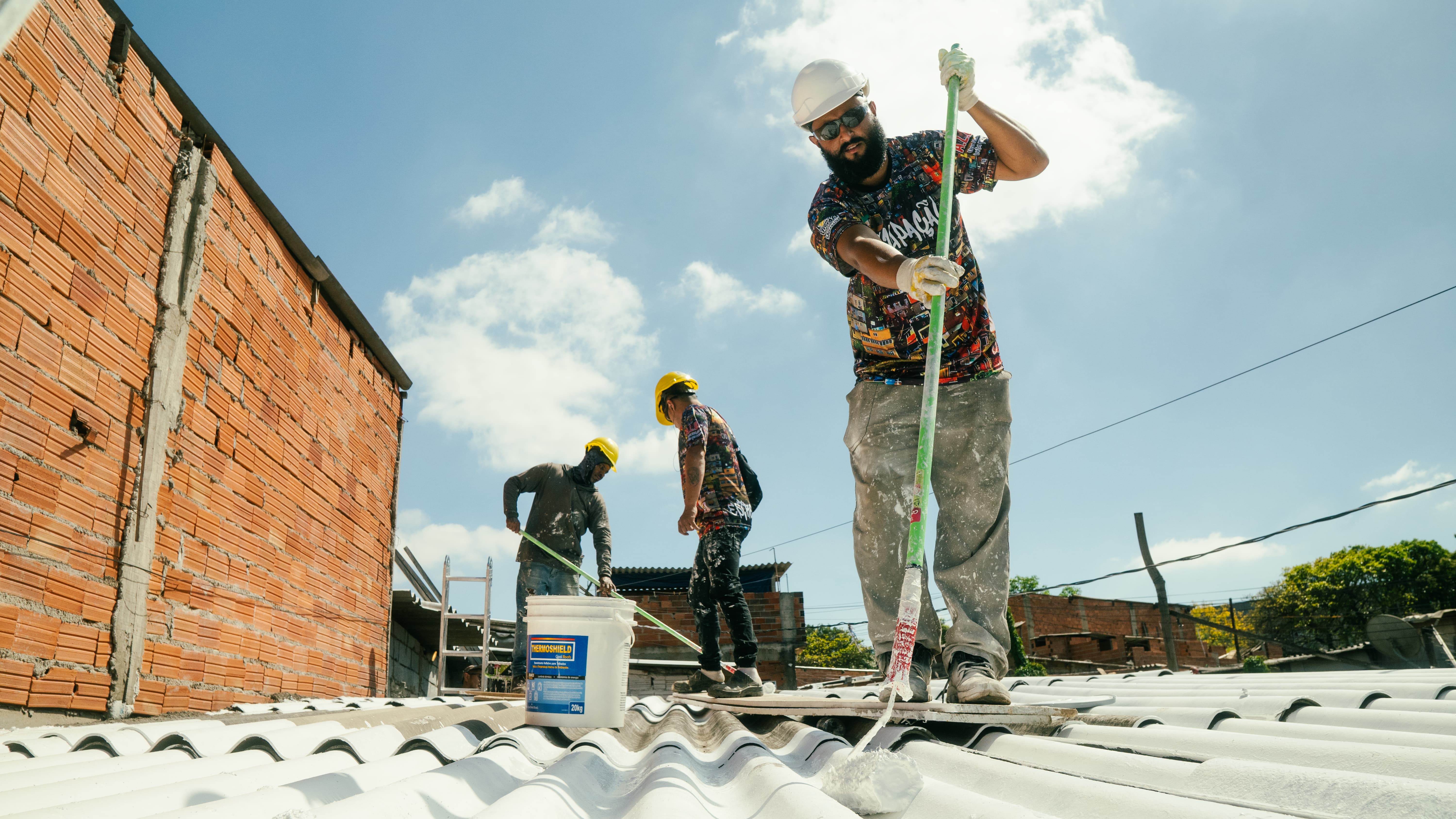
Brazilian settlement residents and U-M collaborators co-developed cooling strategies to protect the world’s most vulnerable populations from excessive indoor heat exposure.
Informal settlements are places of real ingenuity. While residents may lack regular access to running water or electricity, they build working communities, organizing to provide basic services and meet shared needs. The solutions they are putting into practice, often quickly and at low cost, have a great deal to teach anyone looking for low-cost ways to protect people from dangerous heat.
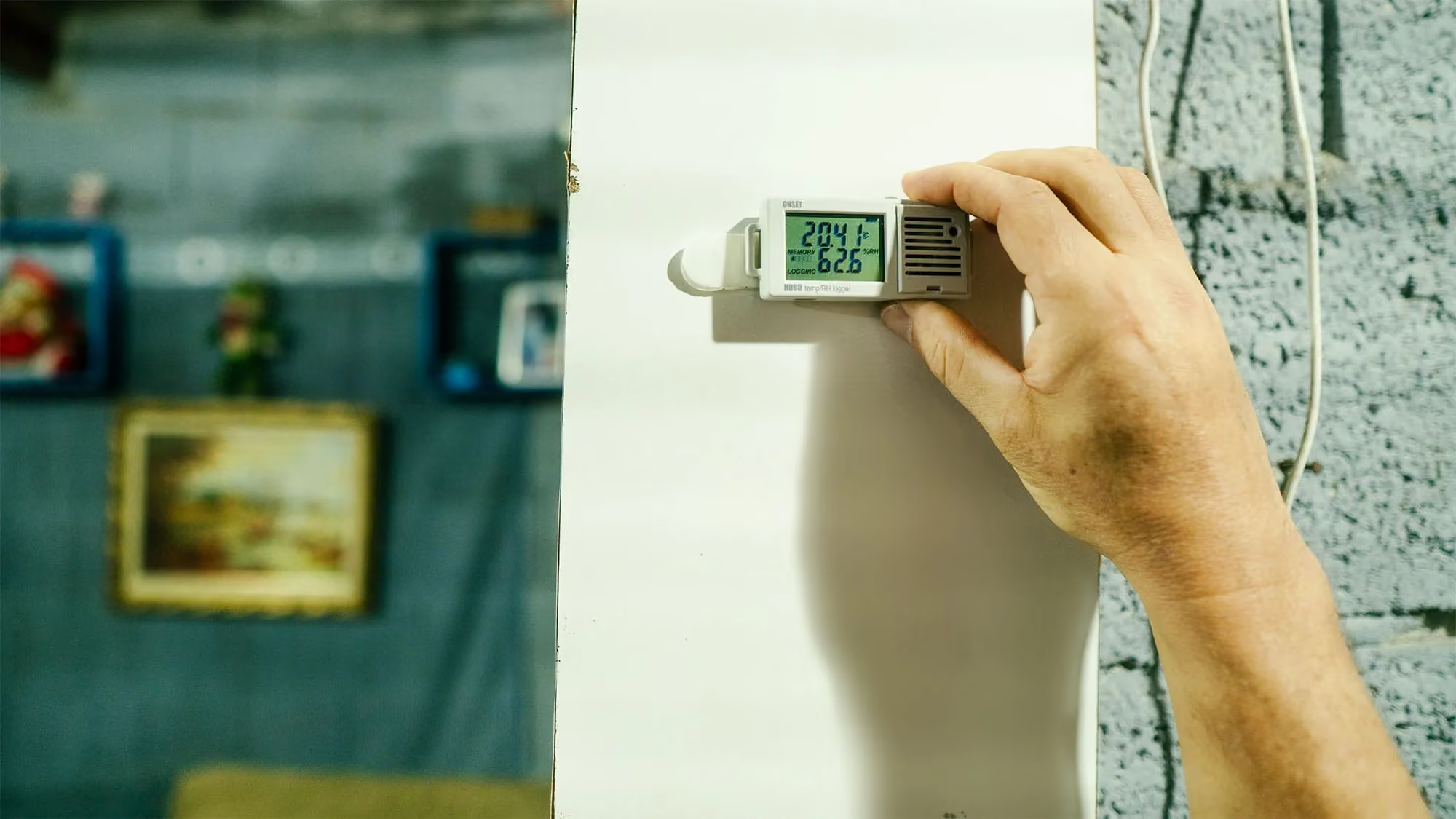
Pai Ale Padilha had to adapt quickly when he moved to ocupação (Portuguese for occupation) Estrela de Davi, an informal settlement in the Eastern Zone of São Paulo, Brazil. A community of 196 homes, Estrela de Davi’s first houses were precarious structures made of plywood with improvised and unregulated water and electric supplies.
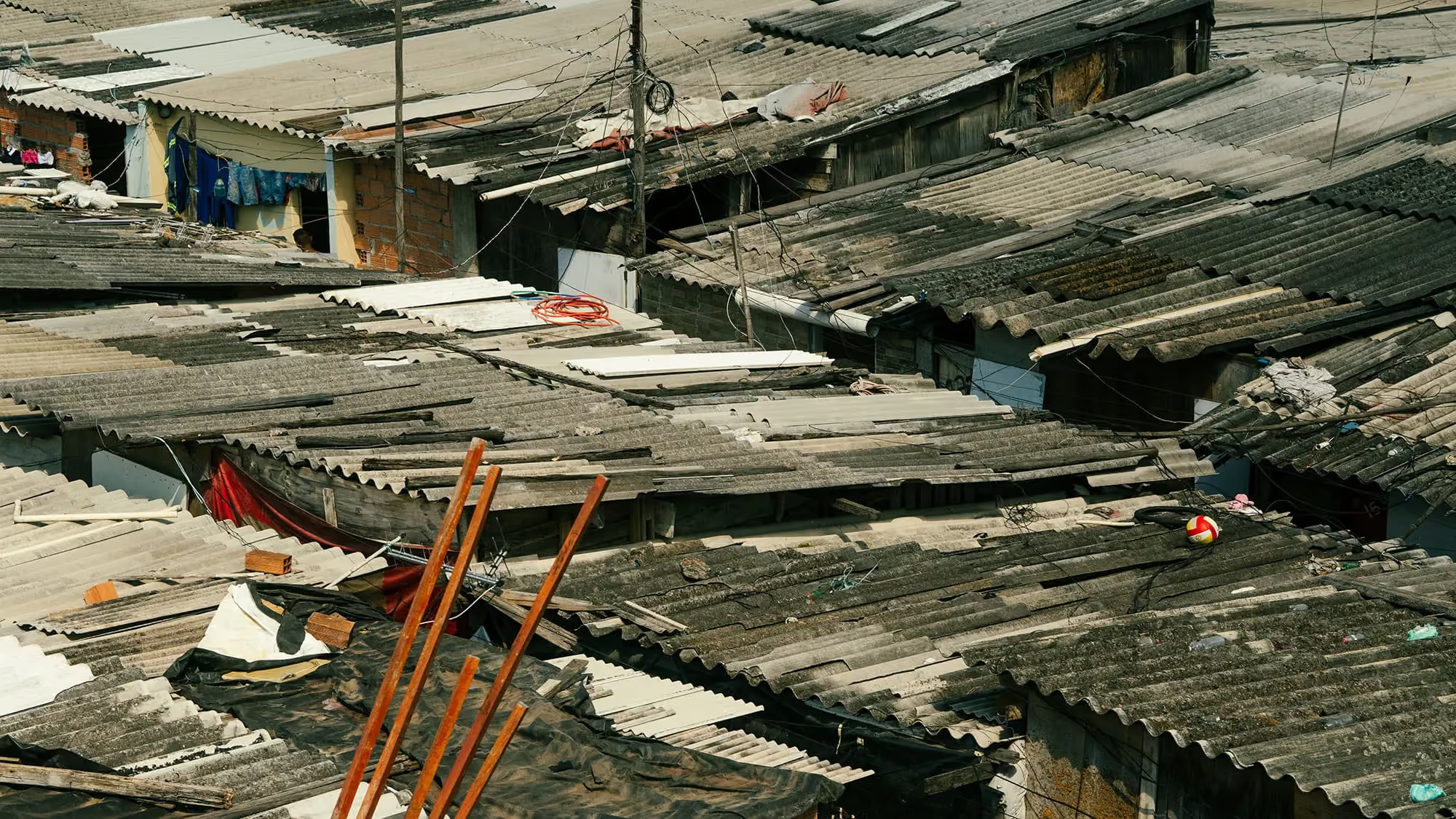
As a religious and community leader, Padilha quickly found rewarding work organizing social services and holidays for the burgeoning occupation. However, after living in Estrela de Davi since the occupation’s founding seven years ago, it has been hard to adjust to the stifling summer heat fueled by climate change. “It’s worse in houses with plywood walls and for those who have low ceilings that trap the heat,” he said through a translation by Ana Paula Pimentel Walker, associate professor in Urban and Regional Planning at Taubman College.
“In the summer or on hot days, it feels like your house is going to catch on fire.”
Padilha and other Brazilian partners are collaborating with Pimentel Walker and other University of Michigan scholars on a participatory-action research project investigating affordable solutions to hazardous indoor heat in informal settlements, funded in part by a seed grant from the Center for Global Health Equity (CGHE).
Inequitable exposure to hazardous heat
CGHE member Ana Paula Pimentel Walker connected with housing movements during her younger years in Brazil, where she grew up. After becoming faculty at Taubman College in 2013, she sought to share that passion for housing access with architecture students, and reached out to members of the Union of Central Popular Movements seeking opportunities to partner with them. In the years that followed, U-M students and faculty have collaborated to provide mapping, surveying, funding, and landscaping services for informal settlements.
Many places, including Padilha’s community, have seen temperature spikes in recent years, and the effects reach far beyond discomfort. In homes built without heat-resistant materials or cooling in mind, they are even more severe. In these settlements, indoor heat harms both physical and mental health, and its consequences reach into the home itself. As Ana Morcillo Pallarés and Jonathan Rule, associate professors of architecture and São Paulo research collaborators, explained, elevated indoor heat can exacerbate physiological and psychological strain, increasing irritability, anxiety, sleep disruption, and the risk of domestic violence and interpersonal aggression.
CGHE Impact Scholar and clinical psychologist Érinn Cameron studies the impacts indoor heat has on anxiety and depression levels on women. She noted that in the case of Brazilian occupations, women are more likely to spend significant amounts of time indoors performing chores that generate heat, like cooking or laundry. "Imagine you’re already exhausted from chores, maybe you’re pregnant, and you’re not getting sleep,” Cameron said. “Your children are crying because they’re hot.
The psychological toll is enormous, particularly when women have so little control over the conditions inside their own homes.”
Adults aren’t the only ones affected. In 2024, children were sent home from São Paulo schools due to excessive heat. In Ocupação Anchieta, a young informal settlement where Pimentel Walker has collaborated since 2016, students returned to sweltering homes.
“Extreme temperatures make these unequal patterns of urbanization even worse, with serious consequences for health and education,” Pimentel Walker explained. “Heat has become one of these extreme weather events that lowers life expectancy and interferes with the ability to finish homework or study for college entrance exams because it's too hot to focus.”
A participatory action approach to research
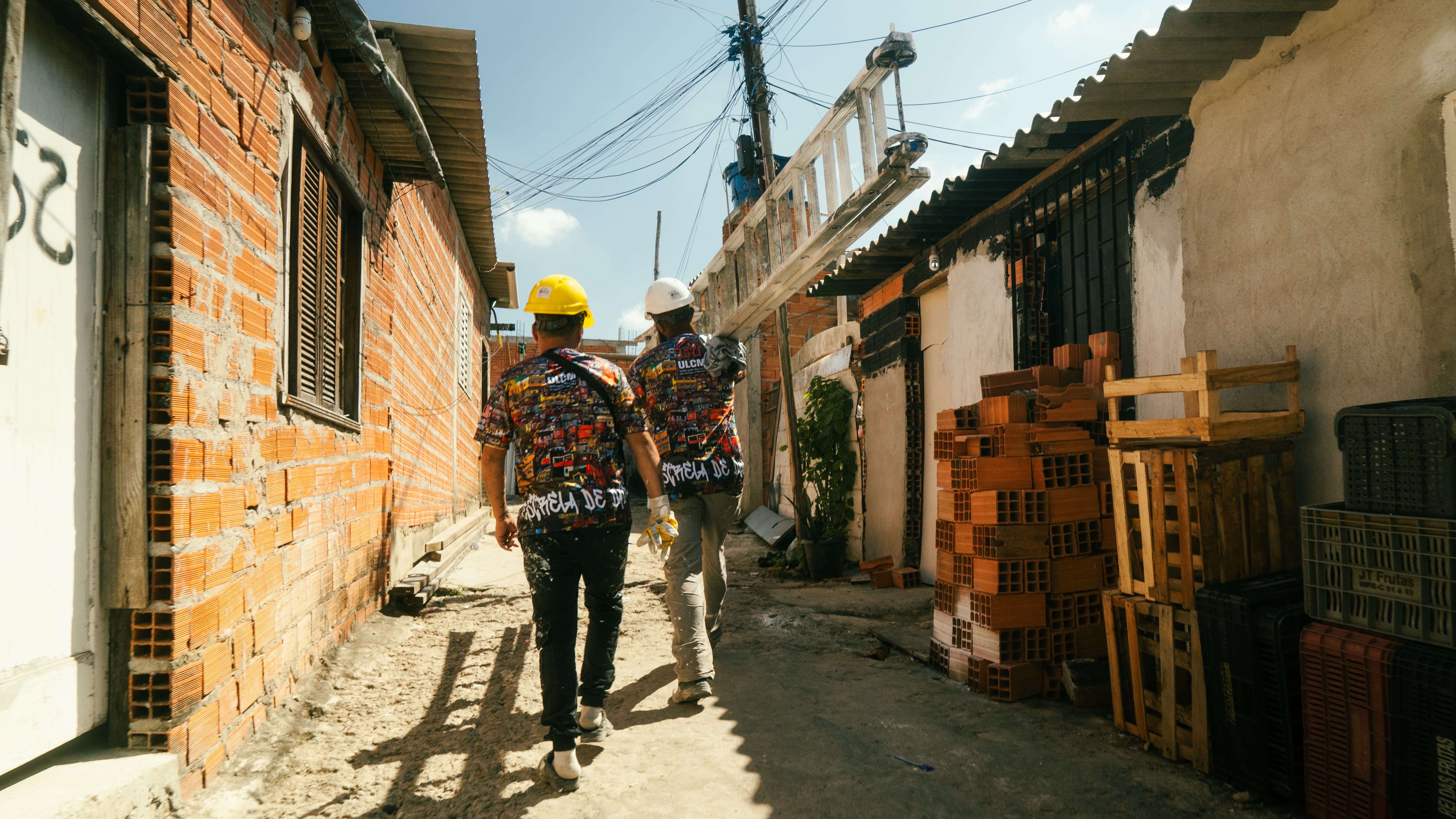
From the beginning, this work has been driven by the communities themselves. Multiple Brazilian housing movements determined heat was a major threat to community safety and reached out to young land occupations to judge their interest in collaborating with Pimentel Walker’s team. In 2023, Pimentel Walker traveled to São Paulo and, with two interns from Peabiru Trabalhos Comunitários e Ambientais, a São Paulo-based nonprofit technical advisory firm that also consults with informal settlements and has been a partner since 2019, measured temperatures and recorded building materials at five houses in Anchieta, a young informal settlement located in the Grajaú District of southern São Paulo.
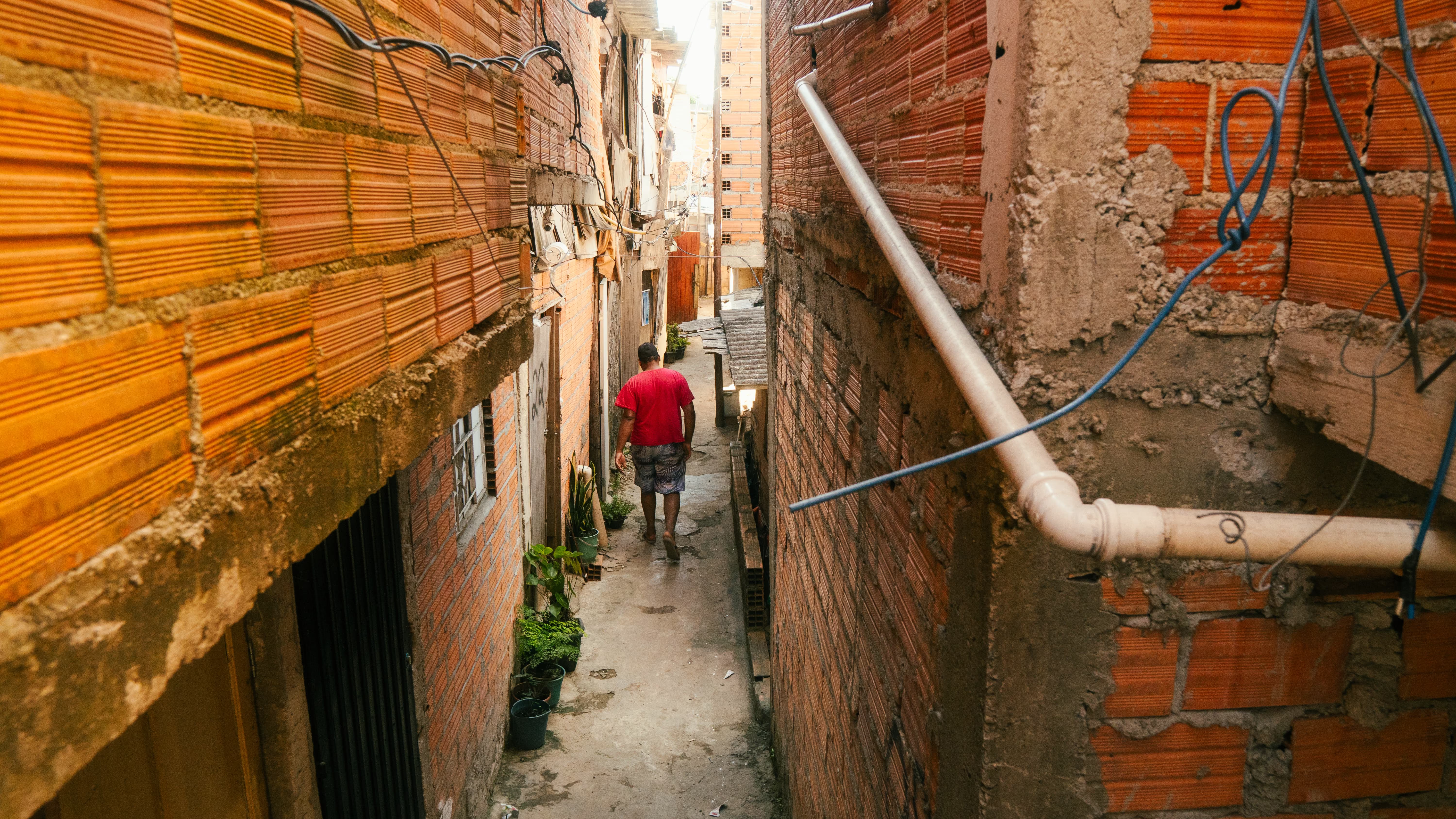
Home to over 900 families, Anchieta’s housing reflects residents’ ingenuity and lower wages, with many homes built from salvaged materials, including plywood, fiberboard, improvised glues, plastics, and other found materials. While air conditioning and passive cooling are more common in wealthier São Paulo neighborhoods, the self-built homes of Anchieta, with their low ceilings and poor ventilation, trap punishing heat. Pimentel Walker and her colleague María Arquero de Alarcón have collaborated with the Anchieta Association and Peabiru on several environmental justice initiatives, including a new community center built after major floods and a community census that informed the settlement’s resident-led upgrading plan.
As part of their participatory-action research, the team interviewed families about their histories and strategies for providing resilient lodgings and thermal comfort while collecting temperature data and house plans. Their fieldwork led to the next phase of the project, aided by Lars Junghans, an associate professor of architecture at Taubman and member of CGHE. Junghans is known in sustainable architecture for designing buildings that need no heating, cooling, or ventilation systems, projects that are often built in high-income settings and can be quite expensive. His challenge in Anchieta was to devise potential passive cooling solutions for informal housing that required minimal financial investments.
Junghans fed data on temperature, humidity, solar radiation, building materials, house dimensions, and other variables into TRNSYS, an energy simulation program, to test interventions that might improve interior temperatures. He explained that one problem for residents of warm climates is radiative temperature. Hot surface temperatures, such as low roofs that absorb intense sunlight, radiate heat into homes.
Beyond trapping heat inside, the materials themselves can become a danger. Cardboard, which Anchieta residents use as insulation, absorbs water and molds in São Paulo’s humid summer months. Plywood sunk into the ground deteriorates in much the same way. Junghans explained that, while insulating homes may seem like a good option, that depends on the materials available to residents.
Morcillo Pallarés and Rule, who have studied the settlements alongside the U-M team, emphasized that the stakes extend beyond moisture. “Balancing thermal efficiency with fire safety is one of the most high-stakes challenges in built environments of precarious construction, especially in informal settlements or densely populated ones.” Junghans’ simulations yielded 22 strategies to improve thermal comfort, and the research team met with community leaders in 2024 to discuss their preferences. “What I see as the biggest strength of our project in Brazil is Ana Paula's contribution in fostering community-initiated work,” said Junghans.
“Instead of hiring expensive contractors, we’re assisting communities in doing this work themselves and asking how we can help and learn from them. It’s work you can scale up to help families right here in America.”
Implementing passive cooling strategies
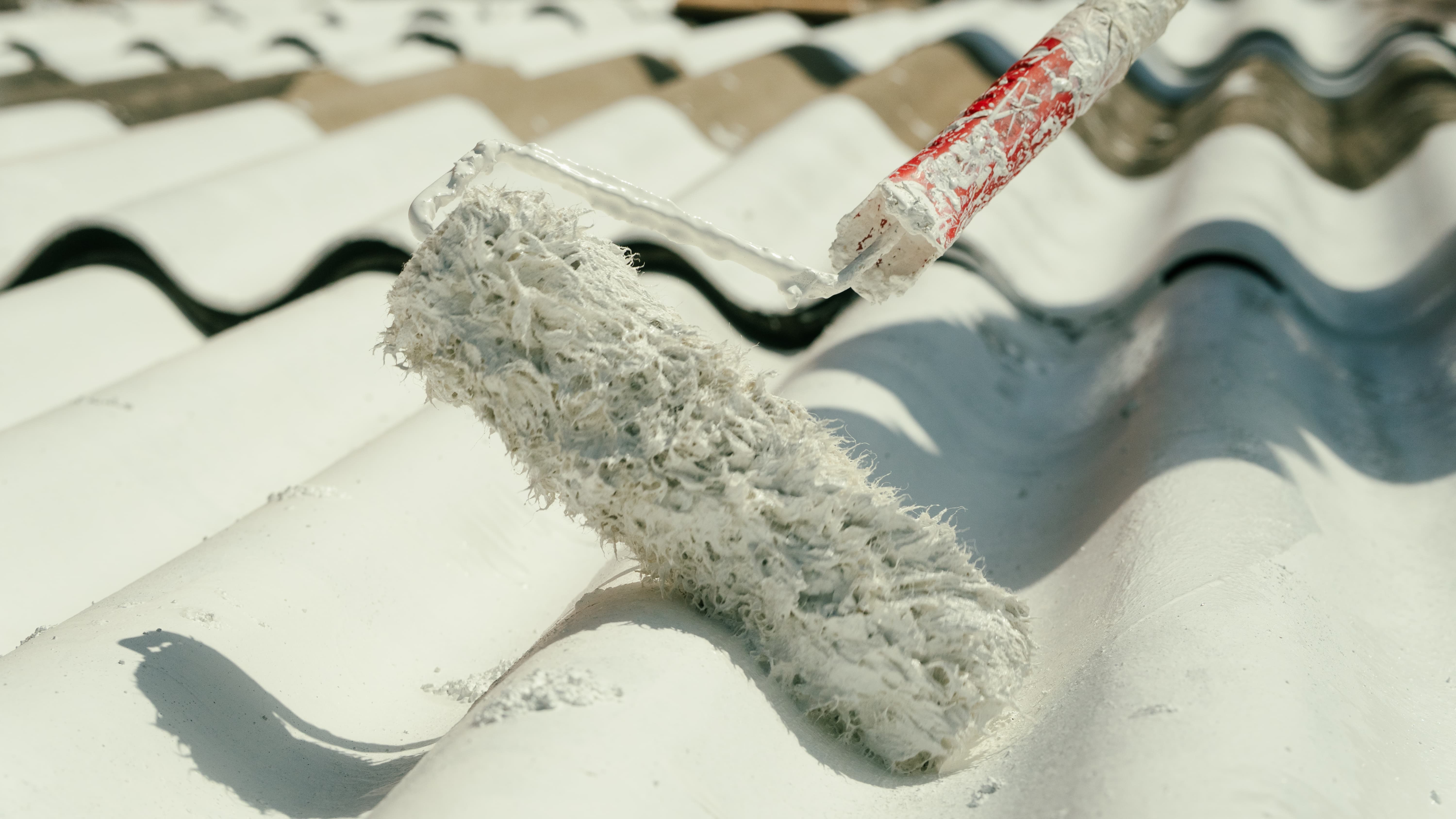
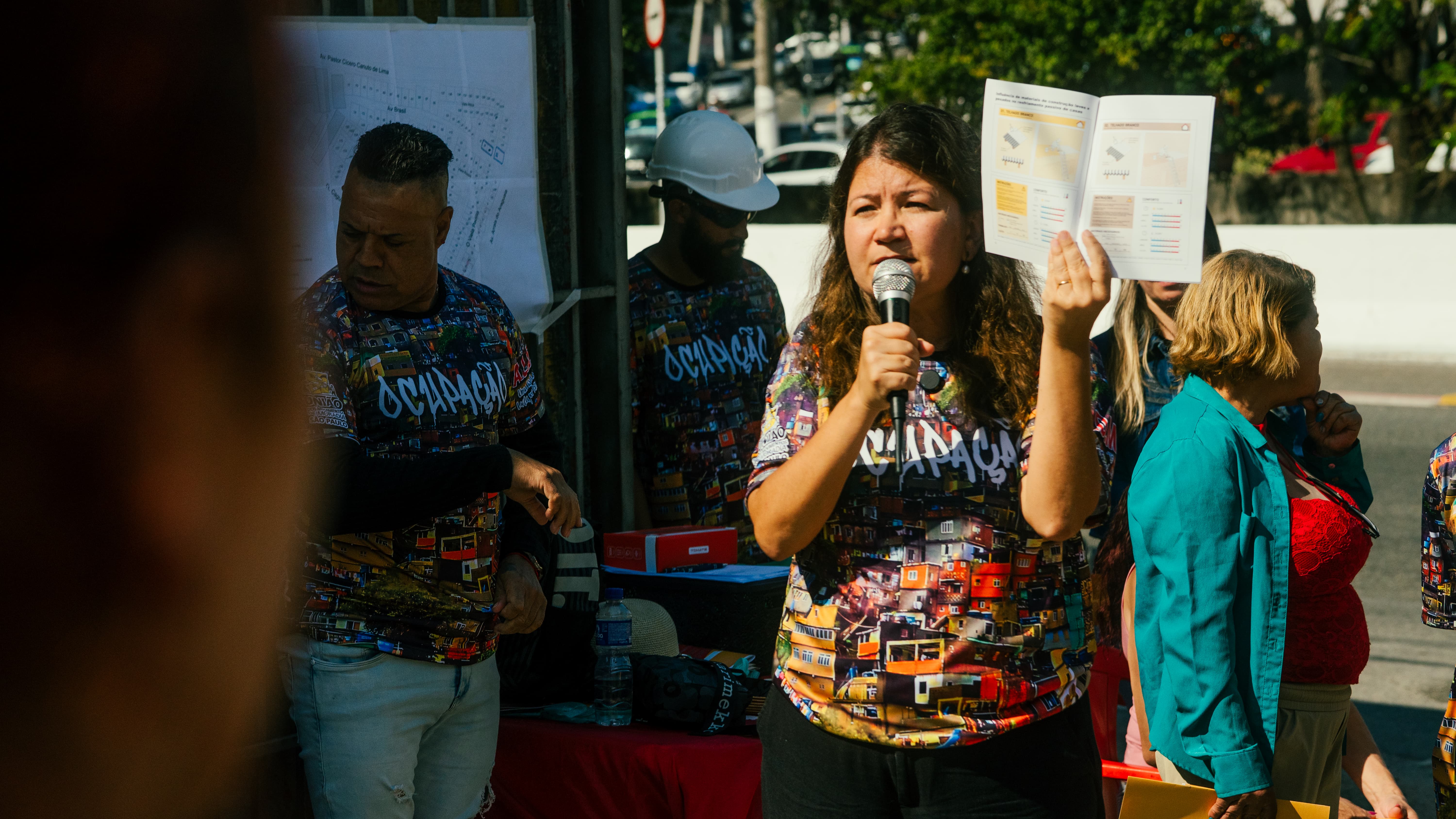
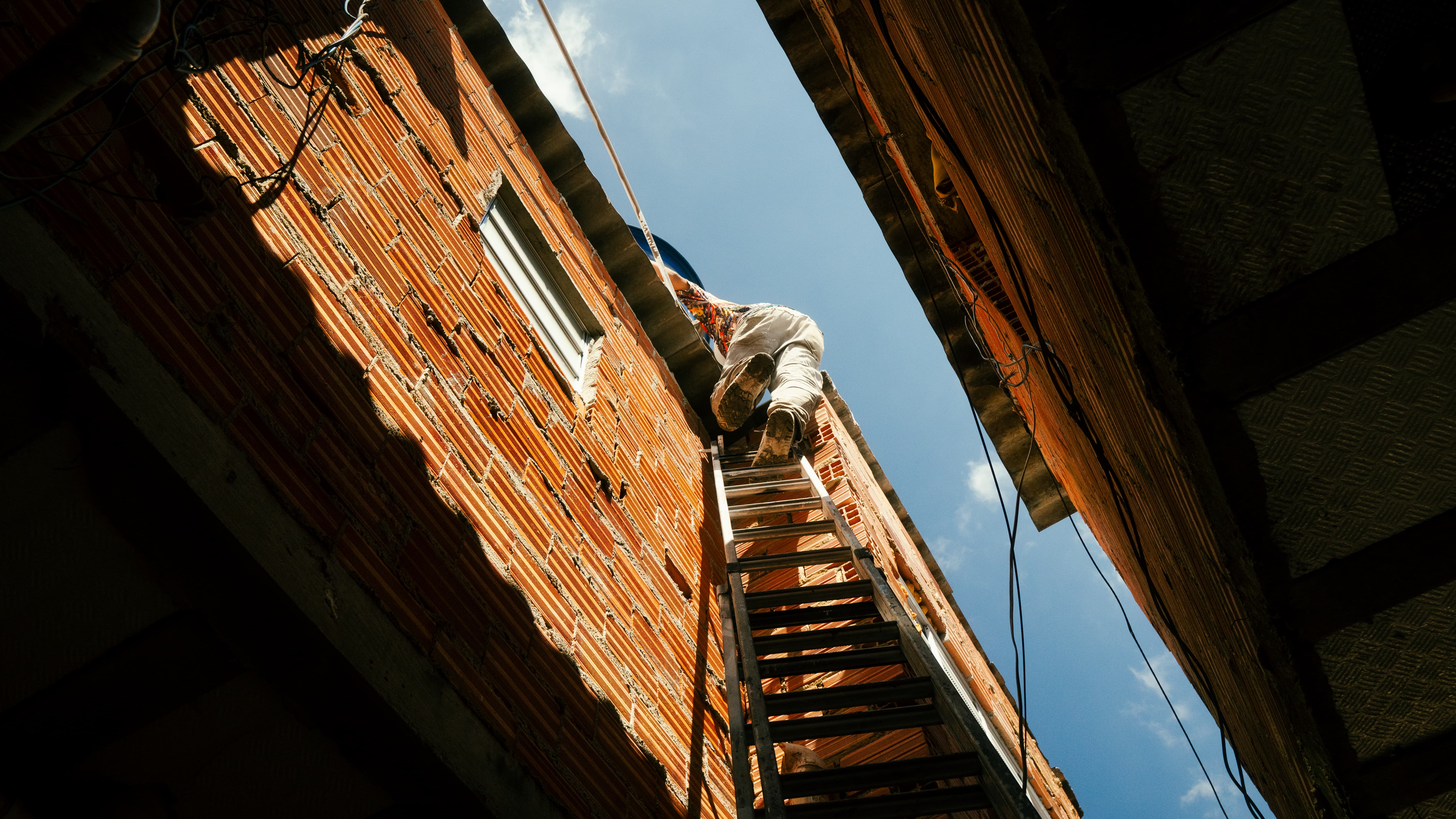
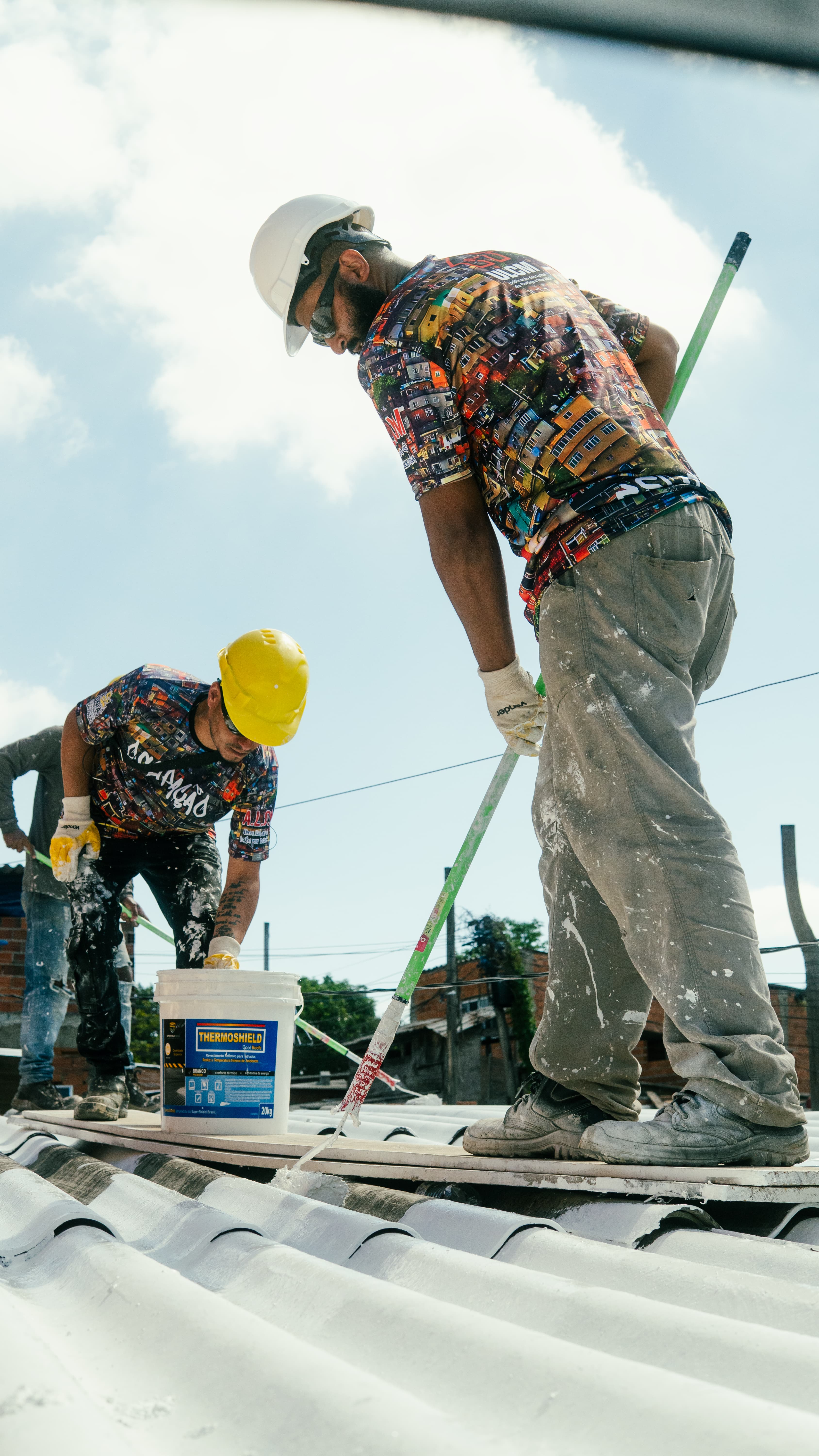
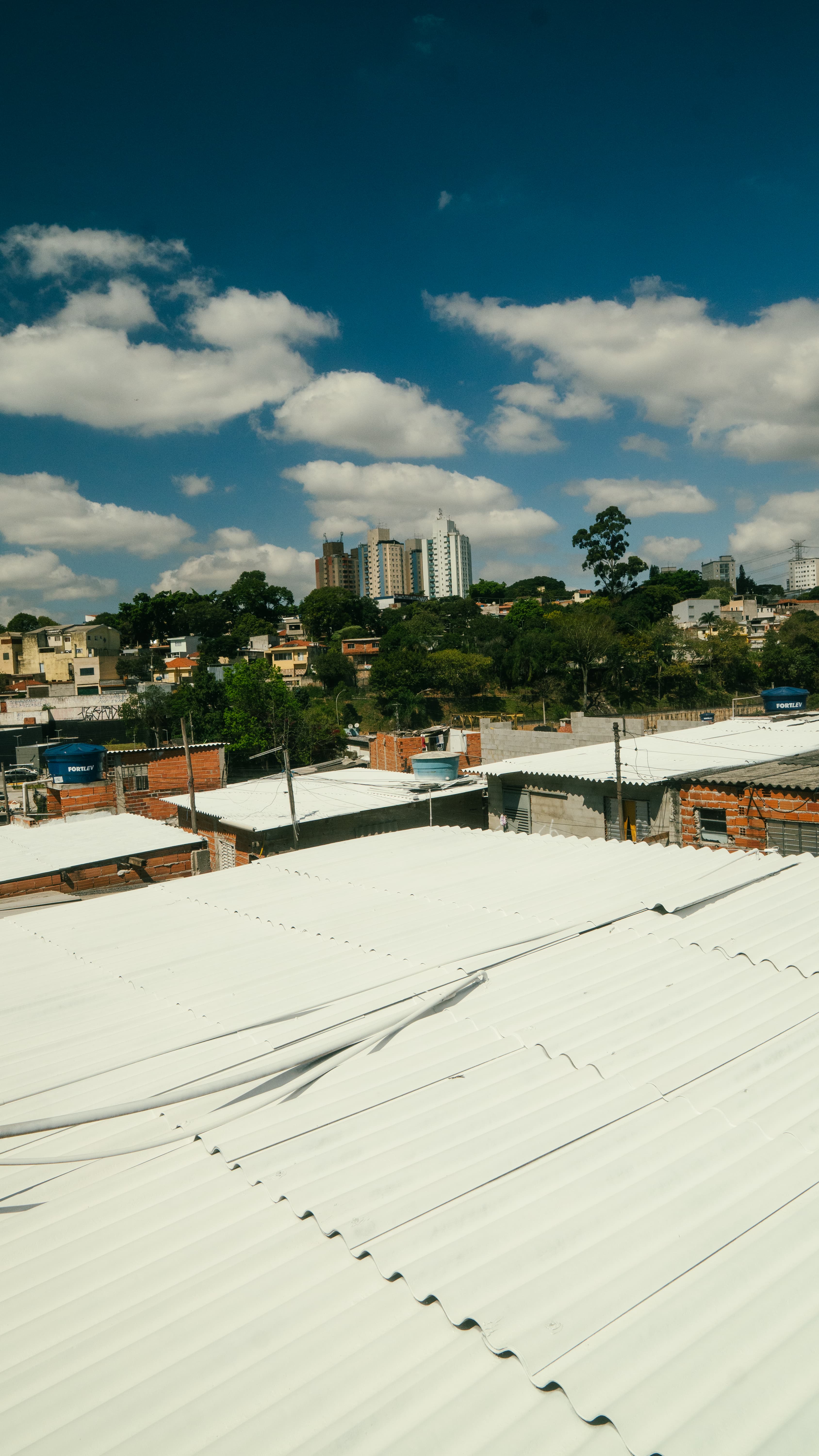
In Estrela de Davi, after a passive cooling workshop that Pimentel Walker co-led with the Union of Housing Movements of São Paulo (UMM-SP) and the Unification of Tenement Housing Struggles (ULCM), occupation leaders and residents chose roof painting as the most cost-effective way to lower indoor temperatures. It would also give U-M collaborators the opportunity to test the accuracy of Junghans’ thermal models without making burdensome modifications to family dwellings.
Padilha, a Candomblé spiritual leader whom residents call Father, regularly organizes health services like oral hygiene and vaccination drives. He coordinated painting materials and schedules for households with structurally sound roofs. In August 2026, members of Pimentel Walker’s team, including Harp and Cameron, visited the occupation to help paint and to train local research assistants for the project’s next round of data collection. Carina Gronlund, a U-M research associate professor who studies how indoor temperatures affect health outcomes, including sleep, helped answer community questions about the sensors and their installation.
Residents responded warmly soon after painting began on the demonstration roof. “Residents have said, ‘Oh, Father, you are not going to believe it. It already feels like we have air conditioning,’” said Padilha. “The project has already been very gratifying.”
While Pimentel Walker has coordinated heat mitigation research in Brazil and Colombia, the team’s work is applicable all over the globe. It’s not even necessary to leave Michigan when considering how to make dwelling spaces more livable.
“Other U-M professors are studying informal housing for Michigan’s temporary farm workers.” Morcillo Pallarés said. “Their work documents severe housing and labor challenges faced by temporary, seasonal, H-2A, and migrant farmworkers in the state. We need to find ways to construct housing with passive cooling and heating strategies to give them a better standard of living conditions.”
After collaborating with movement leaders and residents for so many years, Pimentel Walker hopes their joint work will encourage officials around the world and here in the U.S. to strategize policies and plans that prioritize indoor thermal comfort. She encourages anyone to freely appropriate the results of the collaborations’ ongoing work in the support of impoverished communities. Padilha is pleased with the collaboration between U-M and Estrela de Davi.
“If more people cared the way this university team does, it would be a source of happiness, because so many people suffer greatly in the heat,” he said. “I want people to know it’s entirely possible to improve the thermal comfort of people living in favelas and occupations.”
—
This work was made possible by the research team of Ana Paula Pimentel Walker, Lars Junghans, Carina Gronlund, Gabriel Harp, Ana Morcillo Pallarés, Jonathan Rule, María Arquero de Alarcón, Érinn Cameron, Pai Ale Padilha, Sidnei Pita, Martinha Araujo, Marilene Ribeiro de Souza, Sheila Cristiane Santos Nobre, Benedito Roberto Barbosa, and Eunsoo Hyun, and by their community partners, Unified Movement for Tenement Housing and Housing Rights Struggles and União dos Movimentos de Moradia do Estado de São Paulo, whose active leadership and local knowledge shaped the insights shared here.
Words by Jen Moss. Photos by Feele Filmes. Production by Bettina Senga.
“Extreme temperatures make these unequal patterns of urbanization even worse, with serious consequences for health and education.”