
Empowering Transformative Health Initiatives
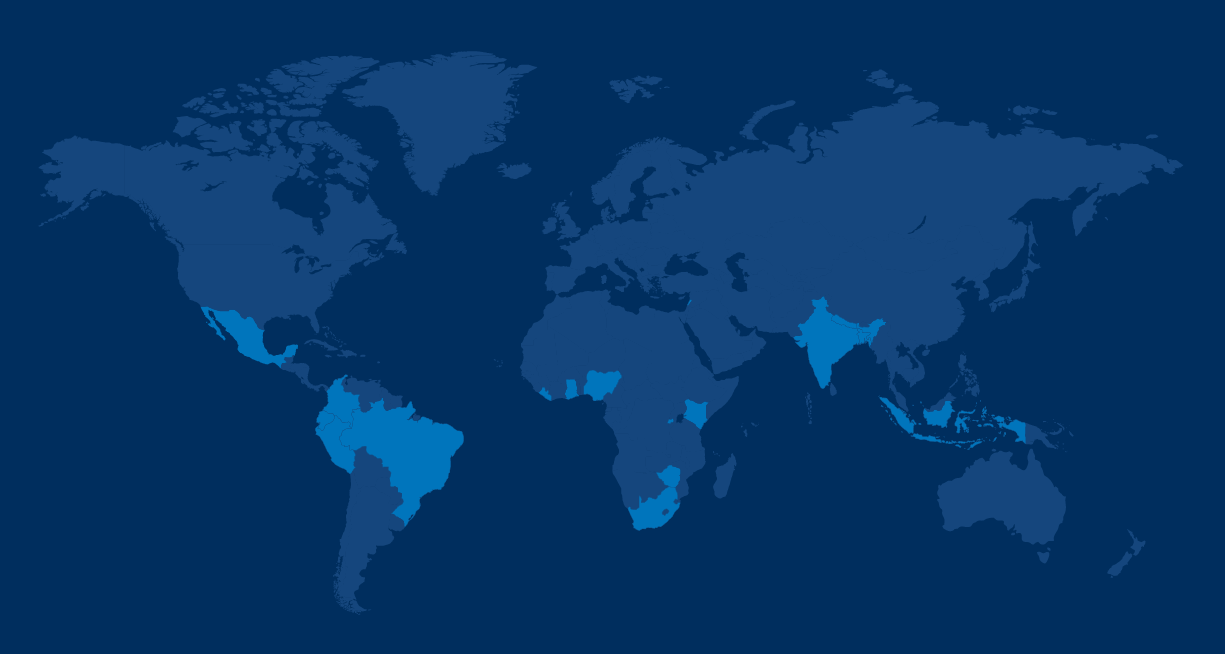
The Center for Global Health Equity at the University of Michigan is dedicated to fostering transformative change in global health by funding a diverse range of high-potential projects led by U-M researchers and their international collaborators.
This project tests an integrated program that pairs trauma healing with financial literacy for young mothers living in Nairobi's informal settlements, where climate stress, gender-based violence and...
This project builds the evidence base for screening pregnant and postpartum patients for PMAD in Ghana, where such screening is not yet standard. Led jointly by teams at the University of Michigan and...
This project develops an international, tumor board-style digital pathology platform to improve the timeliness and accuracy of cancer diagnosis across low- and middle-income countries. Pathologists at...
This project tackles the pre-analytic sources of variation that undermine artificial intelligence in pathology when tools trained elsewhere are deployed in new settings. Working from bottlenecks...
This project examines how diet quality and environmental sustainability can be balanced across generations, using the established ELEMENT cohort in Mexico City. The collaboration grew from a...
This project works with older women in the village of Kfarhouna, in southern Lebanon, to understand their health needs and priorities as they age. Lebanon has the fastest-aging population in the...
This project adapts Strong Roots Perinatal Dialectical Behavior Therapy, an evidence-based mental health and early relational intervention, for perinatal women served by the Instituto Nacional de...
This project maps the landscape for trustworthy artificial intelligence in health care in Lima, Peru, focusing on tools for chronic respiratory conditions such as tuberculosis. Peru's health system is...
This project strengthens the tools available to detect Alzheimer's disease and related dementias in Nepal, where cases are rising rapidly alongside an aging population but validated cognitive...